


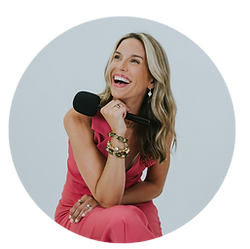


From $80K in Debt to a $2 Million Course Business on 150 Followers
What is the thing you have already decided is not for you? For my guest this week, Molly Keyser, it was social media. She told herself for years that she was not an influencer. She now runs a $2 million a year business, and the video that cracked it open was made when she had 150 followers.
Molly dropped out of college at 17 to become a photographer and did it for sixteen years. At the start she was $80,000 in debt, living with her grandmother, who bought her groceries with money she did not really have either. She built the photo studio to multiple six figures, other photographers started asking her to teach them, and before long she was working seven days a week pulling all-nighters and repeating the same coaching to one client at a time. So in 2014 she recorded it into a course. She built too many products, learned the hard way to focus on one, and went from zero to $2 million a year in two years. Today she runs Profitable Courses and helps women turn what they already know into a course that is profitable from day one.
Her reason for focusing on women is a number, and it holds up. Wells Fargo's 2025 Impact of Women-Owned Businesses report found fewer than 2% of women-owned businesses generate more than $1 million in annual revenue, compared with 5.4% of men-owned businesses. Molly's read on that is blunt: women are geniuses, money is power, and more money in women's hands changes what actually gets built and funded. The investment side is worse. PitchBook's 2025 data shows all-female founding teams took in just 1.1% of US venture dollars last year.
The sticky floor is the part I want you to sit with, because it is so recognizable. Molly is a self-described data person who never once looked at the data on TikTok. She assumed it would die like Periscope and Clubhouse. She told herself influencers have to get their nails done and point and dance and buy the outfits, none of which was true, and used all of it as a reason to stay off the platform. Then she watched people show up in pajamas with no makeup saying whatever they wanted and thought, these are my people. So she studied it. She looked at which hooks and calls to action were going viral in her niche, made one Canva tutorial with a borrowed hook, and it passed a quarter of a million views. She went from 150 followers to 7,000 in a few months, and put her link in her profile the second she crossed a thousand.
Her advice to her past self is the reframe. The thing you do not want to do like everybody else is not your disqualification, it is your differentiator. She backs it with data too, having split tested high production video against shaky iPhone video in her Facebook ads, and the shaky iPhone video won. But the part that will sting a little is what she does when something is not working. When her YouTube channel stalled at 1,500 subscribers instead of 5,000, she did not blame the algorithm or shadow banning. She said if the videos were good enough, people would watch them. Whatever you have been pointing at out there, this episode is an invitation to check your piece of it first.
TRANSCRIPT:
Erica: Hey, girl. By now, you know
Erica: I have Her Collective, my online community for ambitious women who are done doing it alone. Her Collective is for the women who are smart, capable, and driven, but they find themselves stuck on the sticky floors like self doubt, burnout, and waiting for permission that quite honestly never comes. Inside HER, you get more than motivation. You get real support, real strategies, and real momentum. We work on things like clarifying what you want now and what's coming next, building confidence without burning yourself out, navigating hard conversations, career moves, and leadership moments with clarity, and surrounding yourself with women who actually get it.
Erica: This isn't about hustling harder. It's about moving intentionally with the right tools and the right people in your corner. If you're ready to stop spinning, start choosing yourself, and build a career in life that actually feels aligned, I'd love to welcome you inside her collective. You can learn more and join us at www.joinhercollective.com. Because honestly, girl, you were never meant to do this alone.
Erica: I'm your host, Erica Rooney, and today's guest is high energy entrepreneur, Molly Keyser. And Molly is the founder of Profitable Courses. She is on a mission to help people turn their passion into an online course that is profitable from day one.
Erica: She shares what she's learned from growing her passion into a $2,000,000 per year online educational company from literally just one course. So, wow, Molly, that is amazing. And I am super pumped to have you here. So welcome to the podcast. How are you?
Molly: Yay. Very stoked to be here. Very good. Very excited. One of my favorite things to do is,
Erica: you know,
Molly: chat with other amazing business owners like yourself. So thanks for having
Erica: me. Absolutely. So I'd love to kind of like dive right in. I gave
Molly: a little blurb from how
Erica: you went from one course to a $2,000,000 business. Can you kind of fill us in? Tell us about you, how this all came to be. I mean, everybody needs to know.
Molly: Yeah, for sure. So there's definitely a lot more to it, but I'll give you the speed I'll give you the speed dating version so I could share it all without taking up the whole podcast. But essentially, so I've always had a love I always had a love for photography. And so I always knew that I wanted to be a photographer. And so my very first business, I dropped out of college to become a professional photographer and I was a professional photographer for sixteen years.
Molly: I do still own all my camera equipment and do it for fun, but I no longer have like my professional studio or anything like that. But how I got into online courses was I had my photography studio and I had grown it from like, not only just nothing, but, like, negative, like tons of debt from college and medical bills and credit cards. Like, I used to be very terrible with money. And so I dropped out of school, started that business, and I very quickly within only a couple of years, grew it to a multiple 6 figure photo studio. And so a lot of photographers kind of caught wind of that.
Molly: And at first they were asking me for like workshops and coaching and I was just like, yeah, like I love helping people. So I would just say yes. And I would do it. But then I quickly found myself, like managing a team of people at my studio, doing coaching, doing workshops, like working literally seven days a week, twenty four seven. I would pull all lighters.
Molly: Like, it's just, at that point, my time was becoming more valuable. And so I thought, what if I just put all this, information that I'm doing with coaching and workshops and all that into a course. That way, cause I was really just repeating myself for each client. I was like, if I can just record this, put it into a course, not only can I help more people make sure the information is, like, consistent and the best possible every single time, but I can scale also my income and help an unlimited number of people? So that's how I got started in courses.
Molly: So in 2014, I created my very first course, for photographers. And eventually I went on to kind of a long story, but I, I created a ton of different products and learned that you should really focus on one. And when I did focus on one, I went from 0 to $2,000,000 a year in just two years. And then in 2020, well, over, over the years, I have really learned that my love for business and courses and online marketing and all of that stuff really was a lot stronger than my love for photography. Like I said, I did it for sixteen years since I was 17 years old.
Molly: So I feel like when you're 17, you don't even really know like what you wanna be for the rest of your life. But so I decided to pivot to the business I now have, have, which is called Profitable Courses. And so I took all of that knowledge from all those years and all the things I still do, and now I help specifically women business owners to turn their passion into their own profitable online courses.
Erica: That's awesome. And what brought you to focusing on women too?
Molly: Yeah. So, I mean, obviously, I will help men, but it is good to have an ideal client. And, like, obviously, we also help people who didn't already have their own business, but that would be, like, our ideal customer. But I just find that, first of all, like you tend to attract kind of who you are. So even if I was to market to men, I feel like it would be a lot harder because like women just gravitate towards me.
Molly: And I also think like who you are and what your story is tends to be, like, the type of people that follow you. But I specifically enjoy helping women because you'll have to Google for, like, the exact stat. But I think it's, like, only 2% of women ever create a million dollar or more business. And, like, that actually makes me, like, really pissed off. I just think it's, like, super unfair and women are geniuses.
Molly: Like, why aren't we why aren't we making more money in our businesses? Why aren't because, like, women also are extremely compassionate. And I think that if more women not, not just start businesses, but create like insanely profitable businesses, we're gonna be able to get the things that we want to change in the world changed. And as much as we maybe wanna say money doesn't change things, like money does change things. Money is boats, and we can change things the way that we want them.
Molly: And so I think more money in women's hands, only the best stuff possible.
Erica: Have you ever read the book, We Should All Be Millionaires by Rachel Rodgers?
Molly: Oh, yeah. I love
Erica: Rachel Rodgers. Because she a 100%, she talks a ton about the numbers of women in business and women in business feminists unite. Right. Making more than a million dollars.
Molly: Absolutely. Like, there's all these women that talk about starting businesses and that's great. Yeah. But, like, I don't just want women to start businesses. Like, I want them to make a lot of money.
Molly: Yeah. I just think that when women don't, like, when we don't have money in women's hands, that's, it's never gonna become equal. What I mean?
Erica: Absolutely. Absolutely. And to speak to what you said too, is like money. I hate to say it, but money does make the world go round. Right?
Molly: Oh, absolutely. Absolutely. We live in society.
Erica: Yeah. You can donate to the causes that you care about. We're not saying, like, go out and buy 25 pairs of Louis Vuittons. No. Like, you have the money.
Erica: You can be a Melinda Gates. Right? And go put your money, you know, in I think
Molly: it's really all we're like four women businesses that have more money than you can turn around and invest in other women businesses because I'm not in the whole like Silicon Valley space at all, but it's also like shockingly low, the number of female owned businesses that get like VC money. Yeah. And again, that's not the space I'm in, but there's just so many stats about how it's not equal. Yeah. And it, and it needs to be so.
Molly: Yeah. Well, and that's part of why, like,
Erica: I think I was drawn to you. Right? Like you talk about ideal clients. So for everybody listening, I did take one of her on TikTok. And it went really well and it jived.
Erica: And I told Molly before we started talking, I was like,
Molly: I feel like I already know
Erica: you because I took all these things and I did all these courses, but you've never actually seen me in real life.
Molly: And you could that's how many people you can help with digital products. Because if I'm just trading my time for money, maybe I would have never even been able to meet Erica. Like I'm maybe I wouldn't maybe I would have been a full roster. Who knows?
Erica: And y'all, I mean, I spent all of it 7 whole dollars to sign up
Molly: for that. It was 9. Oh, god. Sorry.
Erica: $9.
Molly: I guess it was funny because it's a $2 difference.
Erica: But really like, it's an awesome deal, but you're right. Like, and that's also not what you would have charged for one hour of your time for a
Molly: whole lot. Absolutely.
Erica: Yeah.
Molly: Yeah. Well, cool.
Erica: So on this podcast, we talk about those sticky floors that hold us back. Right? So tell me about your sticky floor. When I say that, like, what does that evoke in you?
Molly: Oh my gosh. I mean, being a business owner since I was 17 and now I'm 35, I've had plenty of sticky floors. So, I mean, but I would say my most recent sticky floor was I was really focused heavily on paid advertising. From, I would say 2017 to like recently, like 2022. And since iOS and all these things, paid ads have greatly increased in price and they're just a lot different than they used to be a lot harder.
Molly: And I knew that I needed to add in a lot more organic and that's always, honestly, I I've known this. Like you need to, if you're gonna do paid ads, you need to be doing both. It will greatly cut down on your ad costs. But for me though, I was just sitting back, looking at all these people, like exploding on Instagram, exploding on TikTok, exploding on YouTube. And I'm just like, I'm not an influencer.
Molly: Like, I don't want to go out and like buy the latest outfits and like pay a bunch of money to like, get my nails perfect all the time. And I don't know all the all the things that I told myself that, like, influencers have to do, which obviously everything I just said is, like, it's not even true. That was just in my head. But I just kept telling myself, like, I'm not an influencer. Like, I don't wanna point and dance and do all these things.
Molly: So therefore, like, I could not be successful with organic. And I would say TikTok really has been a game changer for me on so many levels because Instagram typically, when you think about Instagram, you think of like these perfect people showing only the highlights of their lives and all that. And that's really what I thought like, oh, I don't know. I can't be that person. Like I'm the person that just says whatever.
Molly: Like, and then when I started looking at TikTok videos, I was like, man, these people are just showing up, like, in their pajamas, like,
Erica: no makeup. Gotta get paid.
Molly: Like, exactly. Saying whatever they wanna say. And I'm just like, these are my people, like, honestly. And so I was like, okay. I'll just do, I'll at least do TikTok.
Molly: But so I definitely like pulled myself off that sticky floor by just saying to myself, like, just create one video. Like just like the world's not going to collapse. Like just create one video. Like nobody even probably cares, but me. But I just felt very accepted with TikTok because I'm like, I don't need to do like my hair and makeup and all these things.
Molly: So I would say that's the most recent, like, thing that I had to overcome that has been an incredible game changer for our.
Erica: So do you feel like you hesitated? Right? Like you kept saying I'm not an influencer, but did you have these, like, thoughts of, like, nobody's gonna look at my videos or nobody's gonna watch my videos. Like, why am I even doing this? Or what was kinda going on in your brain that was also
Molly: back? Like, I'm a very data driven person. So I definitely know, like, if you publish a video, you're at least gonna get some views. Right. So I wouldn't say, like, I had a fear of not getting views.
Molly: I would say I just had a fear of more so like, like, what's the point of all, like, what's the point of all of this if I'm gonna do something that goes against who I am? And like, I don't know. I really just feel like Instagram is just not who I am. Like, when I look at all the people that I follow on Instagram or like the homepage or whatever, I'm just like, I don't know. That's just not who I am.
Molly: But when I look at TikTok, I'm like, this really fits who I am. Like, just I'm a girl from the Midwest, like hardly ever wear. Like, I just walk around barefoot, like hardly wear makeup. But, yeah, I guess my biggest fear was just that. Like, I thought that if I didn't if I wasn't like those other people, then I wouldn't be able to be successful on that platform.
Molly: So yeah. Does that kinda make sense?
Erica: Oh, absolutely. And, like, what clicks in my brain is totally kind of off topic, but not at the same time. Like, we talk about representation a lot on this podcast. Right? Because when we don't see people who look like us, right, when we don't see women in leadership, when we don't see people of color in leadership, like minority groups, like we internally have these long held beliefs of like, it's not for me.
Erica: Right. So you're sitting here watching all of these influencers air quotes about what they're doing and how they're doing it. Right. They have their nails done. They're renting the mansions, doing quite honestly, fabulous dances that I wish I could do, but will never be coordinated enough to do.
Erica: And you're going, that's not for me. That's not who I am, but there's right. This whole other side of TikTok. Right? Let me ask you another question.
Erica: Do were you worried at all about learning the platform or anything like that? So I spent okay.
Molly: So I found out about TikTok. Like, I TikTok used to be called Musical.ly, so it's actually been around for a really long yeah. It's been around for a really long time. And there's a number of influencers that when they first found out about Musical.ly, they were like, this is it. This is gonna be the next big platform.
Molly: Like people, like a lot of people that are really good at social media, like they knew. Yeah. And I'll be honest, like, I didn't think that, like, I didn't find out about TikTok until probably early twenty.
Erica: Right. COVID hit. Nobody had anything to do. We were
Molly: all Yeah. TikTok. I found out about it and I was just like, this is probably just gonna be like Periscope, probably just gonna be like Clubhouse where it's like really big for a little while and then it dies. Like, I didn't know that it had been musically. It was bought out.
Molly: Like it had continued to grow. Like I didn't know all that. And so I always say I'm a data person and like, look at that. I didn't go and look at the data. I just assumed that it would be like these other platforms.
Molly: But so basically. I started to just really like TikTok personally. Like I just found myself on the platform more and more, and I found myself on Instagram and Facebook. Like I hardly ever go on there. And I was just like, okay, well, if I'm really liking TikTok and my ideal customers are like me, then they're probably on here.
Molly: And so I just started studying it. I didn't want to really put all my time into TikTok until I really had a good strategy because I'm like, okay, just making videos to make videos isn't necessarily going to like bring me leads in sales, but what I started to do and I'll, I shared this a little bit, or I shared this in the workshop. I'll give you guys a little bit of a peek, but what I started to do was look at other people on TikTok that did something similar to me. So other people who sold courses or other people who helped women in business, and I looked at their profiles and I looked at, okay, which of their videos are going viral? Like which type of videos are they creating that are going viral over and over and over?
Molly: And what types of hooks are going viral? And what types of types of call to actions are working? And one night before my husband and I went out for a date night, I was like, I think I figured it out. Like, I think I'm going to be able to go viral. So I took like a really popular hook from this guy.
Molly: He does like, I can't believe I didn't know this until I was in my thirties. And then, so I changed the hook to say like, I couldn't believe I didn't know this Canva hack until today. And then I noticed that all these videos that were going viral that were had my similar audience, they were all Canva hacks. So I went on YouTube and I found like the newest latest thing that was new with Canva. And I was like, oh, okay, cool.
Molly: I'll just show people like how to do this. And so I did the hook and then the tutorial. And then I think my call to action was like, if you didn't know this either, like, or don't leave me hanging. I don't want to be the only person that didn't know this. Like, let me know below if this is new to you or something like that.
Erica: Yeah.
Molly: And it has over a quarter of a million views now. And, and that was the exact video where I was like, I'm going to go viral. And ever since then, like I have been able to use that method to go viral. Now I don't try to go viral with every single video. Some of my videos, I try to educate because I noticed that the ones that go viral, get me followers.
Molly: The ones that educate tend to get me more sales and leads.
Erica: That was going to be my next question is like, how so we're, we're doing these videos or going, how does that translate to sales? Yeah.
Molly: So what I really do is like at first, when you're like, let's say ads, when you're at less than a thousand followers on TikTok, you want your goal to just be to get a thousand followers because you can't put a link in your profile until you have a thousand followers. But when that video, so I had, I had only 150 followers before I did that viral video. Like I had only done, like, I literally had only created a handful of videos just to know how to like actually edit with TikTok. Like, it was like me doing yoga, like me playing a video game, like, just random stuff.
Erica: Everything all over the place. I like I couldn't have ping you had ping pong TikTok. Yeah. Because, like,
Molly: I just was like, I need to know how to use this first. So I just created a handful of videos. I only have 150 followers and then I went viral. And as soon as it hit a thousand followers from that video, I immediately put that link in profile. So I didn't wait for anything else other than those thousand followers.
Molly: So I think from June until today, I now have 7,000.
Erica: Wow.
Molly: Which is crazy because I, it took me a long time just to get to like one fifty, like until I cracked the code. But yeah, let's see here. So kind of how the funnel quote unquote goes is like you make these videos, you try to get as many views as you can that are relevant. Like you obviously don't want to just like, unless you want to be only a creator, you want to make sure that you're going to get people that are actually going to potentially buy whatever you're selling. So you try to get as many of your ideal client views as possible.
Molly: Then you put a link in your profile that leads to whatever it is you're selling. Could be a sales page, could be not a webinar, could be whatever you wanna send people to.
Erica: Hey there, listeners. If you have ever felt like you're stuck in a place, held back by self doubt, perfectionism, or that pesky inner critic, you're not alone. We all face those sticky floors that keep us from reaching the heights we dream of. But guess what? It's time to shatter those limiting beliefs and toxic behaviors to uncover infinite possibilities.
Erica: My book, Glass Ceilings and Sticky Floors, is your ultimate guide to smashing through barriers, overcoming limiting beliefs, and stepping into your full potential. This book has been endorsed by none other than the great Mel Robbins, best selling author and motivational powerhouse. It's also been featured in Success Magazine, so you know it's packed with insights that work. Inside, you'll find real life sticky floor stories, practical strategies to help you navigate your own sticky floor moments, and a whole lot of inspiration to keep you climbing. This isn't just a book.
Erica: It's your roadmap to success, confidence, and freedom. Grab your copy of Glass Ceilings and Sticky Floors today at www.ericaandersonrooney.com. Whether you're in the boardroom, the classroom, or just starting out, this book is for you because no one, and I mean no one, deserves to stay stuck, no one deserves to feel small, and you have glass ceilings to shatter. Let's do this.
Molly: So it's pretty easy funnel. It's like people will just naturally, like, if they like your videos, they will just naturally go to your LinkedIn profile. Like, I hardly ever say click my LinkedIn profile. Like, you can, but
Erica: What's interesting is since I took your course, right, I'm starting to notice more of the people on TikTok and they're like, one girl is on there is literally all she's doing is teaching people how to get followers on TikTok. That's it. And I'm like, Yeah.
Molly: The
Erica: whole niche. You're just keeping people out of five. And I kind of scroll through like, I don't know, 25 of her videos and it's really like the same four or five ideas. Just added to different music or find something that works. Mhmm.
Erica: Yeah.
Molly: And it makes me do it over and over. Absolutely.
Erica: Yeah. Such a cool story. So I do wanna kinda bring it way back for you. Right? Because you said you dropped out of college, Right?
Erica: To pursue photography and all of that. This is you're looking back. Right? So you went to now, but like, were you terrified or anything when you were doing that? I mean, you're like, I'm out of here.
Erica: I'm gonna go into photography or were you just, and maybe, maybe you are just one of these people and you're like, I'm bold. I'm gonna do it. No F's given.
Molly: Yeah. I've definitely thought a lot about this because the number one question that I used to get, when I first started was what, how are you so confident? And I never knew how to answer that. And I do have a, I have an answer for you guys that I think you're not gonna expect at all. Okay.
Molly: So number one, I think it's important to know that both of my parents are business owners. So I grew up with parents as business owners and they weren't always successful, but my dad runs a multimillion dollar manufacturing company now. Now I, I grew up four, He didn't really have success with that until I was kind of out of the house, but I saw him have success along the way. And so whether I realized it or not, looking back, it's like that would give somebody confidence to start their own business because my parents, if I was sick, they could come pick me up from school. We could do vacations whenever we wanted.
Molly: Like, they had all that time freedom. So for me, having a job was like, oh, like never an option. Like any job I've ever had, I've been fired from. Like, look, I am not employable. Like I am a business owner.
Molly: My mom owned a dance and a music school and she now teaches like piano lessons and stuff. And then my grandfather owned a landscaping business. So like my family is a bunch of business owners. Yeah. I think that's interesting.
Molly: I also think I recently, like over the last three years, I did a lot of therapy for like childhood trauma and things. And I find this fascinating. I don't know if you guys will, but apparently, depending on like everyone has different traumas. Right. But depending on like what you went through, you can become like a certain personality.
Molly: Like I'm not a therapist, but I kind of became like the overachiever personality, like based from childhood trauma. Yeah. So I really think that played into my confidence. Like I'm, I really, I really don't recall ever being like, I can't do this or like people will judge me. Like, I also think I was so young when I started my business.
Molly: Like, I feel like if you look back to being like 17, 18, 19, 20 years old, don't you feel like maybe you had more confidence during those years than like, I don't know. I don't you I mean, this
Erica: is a very interesting conversation. Right? But then to what you're saying, and there's a couple parallel for me as well, but that road like sharply goes the other way. Right? So I'll explain.
Erica: So my father was a small business owner. Right? Cool. But he was a business owner by default. He was never supposed to run the family business.
Erica: It kind of came to him. He didn't wanna do it. And so for him, it was always the stress and the burden. And so I grew up with this mentality of, like, I am never gonna own my own business.
Molly: Like, I'm
Erica: gonna do some bullshit.
Molly: But you had the negative connotations of it.
Erica: Interesting. Right. And so my whole life,
Molly: I was like corporate fucking. Interesting.
Erica: Right. So when you said that, I was
Molly: like, this is, I didn't even know anyone with a corporate job. Like, yeah, like I never even thought, like, I was the person who I didn't even wanna go to college. Like, my parents basically, like, guilt tripped me to go to college. I didn't wanna go. I hated it.
Molly: I hated school. And I knew college was a scam. You can ask my husband every single day. I was like, these student loans are a scam. Like people in Europe get free school.
Molly: I'm like, this is like, yeah, this is total BS. I was just like, cause I remember my husband, he went for, like political science and his advisor or whatever told him like, oh yeah, guaranteed to get a job out of college. And I'm like, they can't guarantee you to get a job out of college. Like, what are they gonna apply for you? Anyways, it's just interesting that I was so skeptical.
Molly: Like I was the opposite of you. Like I thought that, like, having a job, like, was a scam.
Erica: Right. Right. And here I am, and I'm like, guaranteed paycheck. I'm gonna do that. Sign me up.
Erica: So but that kinda leads to the next thing you talked about, which was how some of the things that you went through as a child really kind of like formed your personality.
Molly: Are you an, are you a,
Erica: like a older child? I have a, I'm a younger sibling.
Molly: I have an older brother. Interesting. And I, I don't know the science behind it. I'm not a psychologist, but like I'm the oldest child. Yeah.
Molly: Sometimes I feel like, I mean, I, so I had, two, I have two brothers and then I had, five stepsisters and I was the oldest out of everyone. Oh, yeah. Sometimes I feel like you kinda have to like pave your way. I don't know. Like that could be, that could be part of it.
Molly: I, I, this is a very interesting topic to me. Like, I would honestly love for you to have like a therapist on this podcast to like, I think this is fascinating.
Erica: It is extremely fascinating. And what I'm loving about it too is, like, I recently just did a ton of research on how environment and personality shape, like, your habits. Right? Whether you're a super organized person and it comes naturally to you and how that affects your productivity throughout the day versus the other things that you have to work on.
Molly: I feel like you I'm just guessing you probably are a naturally organized person.
Erica: Oh, yes. My closet is color coded by according
Molly: I had to train myself. I used to be, like, literally borderline hoarder. Like, like, my people would be like, Molly, when are you gonna come get these, like, totes of, like, thrift stores stuff for my house? Like, but now I'm way I'm so much different. Like I had to make myself be like in order to get to that next level, I had to make myself be or an organized person.
Molly: Yep. Something else that I, and this is just speculation again, I'm not like trained in any of this, but my, my mom always put me in like everything. Like I was in like Taekwondo swimming, gymnastics, yoga, like ev like I tried every single thing from a very young age and no matter how I did, like if I got a medal or not, literally, if I got a C on my workout, my parents would hang that shit on the fridge. Like they would always be like, you are the best. Like you, it felt, I, I don't know.
Molly: Like maybe that helps with confidence.
Erica: Yeah. Right. Maybe. Gosh. I feel like we could talk about personality all the time.
Erica: Yeah. I think that's a whole different rabbit hole.
Molly: But, one day, like what your Myers Briggs is.
Erica: I'm an ESFJ.
Molly: I believe that. Oh, interesting. I'm an ENTJ. Yeah. Anyways, I'll have to look yours up later.
Molly: Anyway. I know. I'm like, well, I don't
Erica: know how an ENTJ is, but no. But no. But it's it is so interesting the two different like how we both had this path of having business owner parents, but like, I went straight up right into corporate world. And you were like, never, that is not, I'm not employable. Right.
Erica: Period. It's not the end. I'm not, I'm not. Did you ever have the thought like in your head that you were ever going to fail? Because it seems like that was never even a thought.
Erica: Like, I think so many women get held back because they're like all these, what if I fail? What if this doesn't work out? And I don't get that vibe at all from you.
Molly: Yeah. No. I mean, I think you have to keep in mind my story. Like I was, I was $80,000 in debt living with my grandmother.
Erica: Yeah.
Molly: Like she would literally buy me like groceries. She didn't have any money either, but like she would buy me groceries. Like I didn't have any money. I wasn't good at school. So I know there's these people that are like, well, I had a full time job while I was school.
Molly: That's nice. I could hardly pass my classes. Like, there's no way I could have had a job. Like I had a part time minimum wage job at a gas station. Hated my life.
Molly: Like my boss literally was, I don't know, probably making like $50 a year or something. She like ran the whole gas station. I have no idea what a gas station manager makes, but she, she had me doing like half her work because she couldn't even use her computer. And like, that just pissed me off. I'm like, I'm getting paid $7.25 an hour.
Molly: And I know more than this man. Like I could run this gas station. So like, yeah, I don't know. I mean, I must have got confidence because if I'm sitting here thinking I'm getting paid minimum wage and I'm like, how much of an ego crap? Like, manager's job.
Molly: Yeah. Anyways, I forgot the question.
Erica: I was just saying, like, I ne like, you don't come off as the kind of person, so many entrepreneurs and, oh, especially have this feeling. It's easy. Yeah.
Molly: I think it's easy to not have a fear of failure when you have nowhere else to go. Like when you're already $80,000 in debt, I hadn't like, literally I would go to my bank crying to not give me another overdraft fee. Like I had no, when I say I had no money, like there's people that say they have no money and they have a savings account.
Erica: Mm-mm.
Molly: No, no, I had no money. Like, you don't understand. Like, growing up, we didn't even have a car sometimes. Like, I was poor. Okay.
Molly: But, yeah. So like, how can you have a fear of failing when you literally are homeless? Like, yes, I was living with my grandma, but you get what I'm saying. Like, I didn't have my own place. I didn't have any money.
Molly: Like, there's nowhere else to go. And I find that with my students, I find that to be very similar, honestly. Like I find that when people join my course that have already cushy lives that already have money, like they're not very motivated to make money. But I, and I, I like when people have a fire under their ass, because I find that when people are in a situation where like, oh, I have to make this much money in thirty days or I can't pay my bills. I love those people because I know that they're gonna make it happen.
Molly: Yeah. And I'm not saying you can't be successful if you have money or whatever, but you better have a pretty good why as to why you wanna do it. Because like, if, if you're like, oh, I need to make a thousand dollars where I'm gonna be homeless. You're going to make that balance. You're going to figure out what
Erica: the hell you need to do to buy a thousand dollars somewhere. You're going to be looking at. Absolutely. Whatever.
Molly: But if you're, but if you're like, oh, cause like I have a lot of people come to me and say like, well, what's the minimum amount of work I would need to do to be successful. And I'm like, that is the app. Like, am I allowed to swear on this podcast? No. Trust me.
Molly: I do all the time. Okay. I'm like, that is the absolute worst fucking question. Like in the entire world. Like that is quite honestly, like, I, I know this might sound mean, but like that's a question of an unsuccessful person.
Molly: Like, you need to do every single thing that like your question should never be. What's the minimum I need
Erica: to do.
Molly: It should be like, what needs to get done to hit my goals? Yep. So I, that question, whenever I get that question in my email, somebody else has to answer this because it like makes
Erica: me feel better. It gets under my skin. So I used to be a personal trainer back in the day. And, oh, that's awesome. Yeah.
Erica: Literally came to me and she
Erica: was like, what's the, what's the least amount I have to do to lose weight?
Erica: And I have never, girl. I can talk to a wall. That's how much I can talk. Right.
Molly: I do the ways to maybe like maintain your weight, losing weight
Erica: as hard as I think I was dumbfounded. I was like, this is what you're here for. Like, am I supposed to be that, oh, you, you only have to walk 3.2, one miles at a pace of six point like, if we knew that What do
Molly: you think makes people what do you think makes people ask that question? Because, like, I've never that question has never crossed my mind. Like,
Erica: what's the bare minimum? I'm just yeah. I think dads are people who
Molly: don't really want it that bad.
Erica: They want it, but not for the right reasons. Right. So I think
Molly: when it Or like there's nah.
Erica: Sorry. Go ahead. Wait. Right. So I'm a fitness fanatic and I did work training for years.
Erica: But when I think about somebody who comes to me with that, they're thinking about it more along the lines of it would be nice to look good in my swimsuit. Right? Like that would be cool, but they're not really thinking about it. Like I need to lose weight because if I don't, like I'm gonna have these heart complications because my parents all had heart disease and struck it. Like, they, that's a similar to this.
Erica: This is so similar to
Molly: this because like, if someone came to their doctor and their doctor's like, you either need to like eat better or you're gonna get diabetes. Like, I'm guessing, like, I know not everyone will do it, but like, I'm guessing that has a higher rate of weight loss than like, I wanna lose weight to like, look a little bit better. I don't know.
Erica: But it's not like this. It is a 100% like that. Right. And I mean, think about people who, who drink. Right.
Erica: Those it's a little incremental things. People who drink a lot, right. They're it's not a problem until they go to their doctor and their doctor's like, your liver's gonna fall out of your body. If you don't tilt it down, they just stop doing it. Right.
Erica: Because again, that also goes to the, the little incremental things that you don't see every day. Right. But it's not having what you said earlier, the big enough. Why? Right.
Erica: So, yeah, I absolutely agree with that.
Molly: The first thing we do in my course, profitable courses is I have people create a vision board. Like they, they get really clear on their why. And I have them create a vision board and there's some people that are like, I don't want to create a vision board. Like, I just want to start making sales. And I'm like, that's awesome.
Molly: And I love that, that you're so motivated, but like, if you don't have a why or you're not broke as a joke, living with your grandma with $80 in debt, like you're not going to do it. Yeah.
Erica: You don't have to go back to when.
Molly: Not even like, I think you're not going to do it. Like it's a database guarantee because I have all this data of people that join my programs and stuff. And, and that's why I know like the why, especially even with fitness, like Mhmm. Yeah. It's all, it's all similar.
Erica: It all like I'm I mean, if, if anybody else has listened to all my podcasts, I talk about fitness and probably almost every single one of them, but it's good time they are so ingrained.
Molly: Oh, like name any millionaires that don't have some sort of like physical activity that they really love. Like I love hiking and horseback riding. And I, I can't think of any millionaires that are just like, oh, I don't, I'm not like, I don't have like a sport that I like. And it can just be like weightlifting, but like, I can't think of anything. I'm not
Erica: trying to think. I can't really,
Molly: like everyone's either like, I love running or I love hiking or I because it's like, you need that outlet for stress. But, like, in order to be of like, in order to get past that 7 figure mark, like, you need to not only be, like, mentally understanding your niche and how to do it, but, like, you have to physically be able to withstand the amount of stress that comes with scaling a company.
Erica: Yeah.
Molly: Yeah. And yeah. Like I said, that's a good outlet, like, whether it's weightlifting or whatever to have, like, that stress release.
Erica: So Absolutely. So to circle it back, we've busted through the TikTok floor. Right? Busted maybe through the TikTok ceiling. Right?
Erica: So we're doing good there. When it comes to you and your business, right, like, you kinda hit a stride now. You got a lot going on. Where do you ever find yourself kind of, like, holding yourself back? And then you kinda have to remind yourself, like, no, I'm a badass.
Erica: I need to go out and do this.
Molly: Yeah. I would say
Erica: I would
Molly: say just like when it's hard to think of an exact pinpoint, but for example, like I'll use you YouTube would actually be a great example for this, but, but just keep in mind, like, it's not just YouTube. Like this, it happens all the time where like, okay, so for example, with YouTube, I've been consistent with it for a year. Mhmm. And my goal was to have 5,000 followers and I only have 1,500.
Erica: Got it.
Molly: And I, I feel like I'm doing all these things. Right. I feel like, I feel like why don't I have 5,000 followers? And so I'm not someone who gives up on stuff. I'm someone who just keeps going until it's successful.
Molly: So that's not really an option for me. However, I've definitely said to my husband, like, like complained, like, Ugh, like this is so much work. Like, why isn't this working? I'll have like these little, like two to five minute long, like frustrations, but then I'm just like, Molly, get a grip. Like, obviously, if you're not at the if you're not at 5,000 followers yet, your videos aren't good enough.
Molly: Like, if your webinars aren't converting, your webinars aren't good enough. If your TikTok isn't you're not getting views, your videos aren't good enough. Like, it the other thing, the other excuse that's up there for me with people saying what's the bare minimum is the algorithm is shadow banning me or whatever. Like that's not real. These are not real things.
Molly: Like I think if you can look at your problems from a more logical database, like, position, then you'll you won't have as many of those, like, doubts, if that makes sense. It's still normal
Erica: to have doubts, but, like,
Molly: I used to be a more way more emotional, like create like, cause I was, I was a photographer. Like I was a creative. I was like, I would highly make like a lot of emotional decisions. Yeah. Like back in the day, I would have been like, oh, oh, YouTube doesn't work.
Molly: Like I'm, I'm gonna quit YouTube. But now I know that, like, that's not true. That's ridiculous. Like, obviously, if people really liked my videos, they would be watching them. So, like, clearly I have a lot more to learn.
Erica: That seems like a very obvious statement. Right. But I think the key, right, it's not good enough. People aren't interested, but I think the way you framed it with which at least with what I've heard was you absolutely took all the blame on. Right.
Erica: You were like, it's my video. It's me. Not you. It really is me. Whereas some people love to put that excuse out to the others.
Erica: Right? Like you were just saying the algorithm or it's just YouTube is stupid, so I'm not even gonna worry about it. And like Yeah. That's a whole sticky floor in itself is not looking at your piece of the puzzle, which sometimes can be a very large piece of the puzzle. Right.
Erica: It's so much easier to point it out there to this big unknown YouTube God that sucks, which is lost 5,000 followers. At the end of the day, even if it's the algorithm. Right. Even if you still have to figure it out, it's still your responsibility.
Molly: No, no, like there's, there's a lot of people on Instagram right now that are like, like boycotting the new quote unquote Instagram, how it's like more about reels than about photos. And I'm like, first of all, I love, like, I am not about the whole, like I said earlier in the podcast, like, I hate those like curated perfect look at me and my perf Oh my God. Like I cannot stand that. That drives me crazy. So I love video because I feel like you can't really hide with video as much, but all those people that are complaining about how they want Instagram to go back to the way it was, I guarantee you that if they don't change their ways, they will be out of business in like two, three years.
Molly: Yeah. Yeah. But okay. About what you were saying, you were saying about the blame thing that reminded me of something before I built my first, like real team with like full time employees. I used to do that blame game a lot where I would be like, oh, this employee didn't work out because of like them or like it didn't, I can't find good salespeople because I'm a women business.
Molly: I don't remember the dumbest. I've made the dumbest excuses. And I think just over time and like also people telling me like, like there's other, like there's other people that have great teams. So it's like, obviously.
Erica: Wow. No, but really is me.
Molly: Yeah. But like really building a team and having to be like that responsible leader that's, like, responsible for people's salaries and their success within the company. And that honestly has taught me, like, so much.
Erica: Mhmm.
Molly: And I think that is probably where I learned about to stop blaming because I obviously I still do it occasionally and I feel like it's pretty normal to
Erica: Yeah.
Molly: Because it's the easy way out. You're like, oh, well, I'm not good on YouTube because I'm a woman and people
Erica: like men or whatever. Like there's that that's the easy way out. But then it's like,
Molly: oh, there's tons of female influencers.
Erica: I mean, this is the phrase I use in corporate all the time. Like when I'm talking with my executives, like the shit flows upstream guys. Sorry. Like it's not glamorous, but that is the reality of it.
Molly: So Oh, it's so true. Like, if you okay. Like, this is something that one of my past coaches taught me, but he was like, he's like, okay. Let's say I
Erica: went to him and I
Molly: was like, oh, I hired this person and I have to fire them because, like, they suck. Right? He would say like, well, you're the one who hired them. Like you're the one who trained them. You're the one who created the SOPs or whatever.
Molly: It's like, no, you're the one who sucks. Like you can't be blaming people when you don't set them up for success or you don't hire the right person. Like if you're sitting there saying like this isn't the right person, like you hired them. So anyways, yeah, I think that was the best analogy for me.
Erica: Well, that's, I mean, that's a great piece of advice. Oh my gosh. So what would you, now that you're blowing up the TikTok worlds I love to call it the TikTok too, not just TikTok, but the TikTok. What would you tell the Molly who's, like, sitting back here saying, I'm not an influencer. That's not who I am.
Erica: I can't be on TikTok. TOK. What would you tell that Molly when you're looking back? What kind of advice would you give her?
Molly: Yeah, I would, I would tell past Molly that you don't have to point or dance or do these things that other people are doing that you don't want to do. Like you don't have to wear makeup all the time and get your nail, like whatever influencers are doing that you don't want to do. That's actually a great fricking thing because the thing that's going to blow you up on social media is by being your fucking self, like furiously. And so if you're sitting there like, well, I don't want to do this, or I don't want to do that, or I don't want to be like that person. Don't like you shouldn't because you're not going to get very far trying to be like other people in social media today.
Molly: Maybe back in back when there wasn't very many influencers, maybe you could hop on that train. And, but I really think, especially with TikTok being yourself is what is going to make you quote, unquote famous. Like it's going to get you that following. And also you don't want to, you don't want to, like, you don't wanna not be yourself and then end up attracting a bunch of clients that you're not gonna end up liking. That's a road you don't wanna go down.
Molly: So that's what I would say to, to past Molly. To the past Molly.
Erica: I mean, that is so true. Right? Because I was actually talking with one woman and we were talking about what she was gonna wear for her, like, upcoming photo shoot for to Brienne for her website and everything. And she's like, I think I'm gonna wear heels and put on this dress. I haven't worn it in, like, five years.
Erica: And I was like, yeah. Would you wear it, like, every day? And she's like, well, no. But, like, it's my photos. And I was like, yeah, but your photos are you.
Erica: So, like, I'm not saying wear your pajamas every day, but like, if you're more comfortable in jeans and some cute sneakers, like wear that so that when somebody actually hires you, Yeah. You represent what you're sure. They know what they're getting, what you see needs to be what you get.
Molly: Yeah. Or like, have you ever been at a conference where you see like a I'm just calling, I'm just calling anyone on social media, like an influencer, but let's say you're at a conference and you see an influencer in real life and you like literally don't even recognize them. Like, yeah, I've had that happen so many times. So I try my best to, like because otherwise people aren't even gonna, like, they're not even gonna know that it's you. Like Yeah.
Molly: Yeah. The money tried to be
Erica: To be to represent what you are and who you are. Absolutely.
Molly: Absolutely. And just to add to that, the photo shoot thing Yeah. I did we did a split test with Facebook ads a while back because I thought that in order to get to the next level, we had to have, like, high video quality. And we actually split tested high video quality ads with low, like, crappy, shaky iPhone ads. And crappy, shaky iPhone ads outperformed.
Molly: And I just want that to for you guys to know that is the data that you need. Yeah. You be yourself. Because that really just shows you, like, people don't want that polished. Mhmm.
Molly: They don't want that anymore. Right.
Erica: I know. I love that. I love that the pendulum is shifting that way.
Molly: Yeah. Look at Britney Spears. Like, if you guys follow Britney Spears on social media, she is like night in like, she used to be the polished, whatever. And now she's just like, does whatever people love,
Erica: whatever the hell she wants.
Molly: Yeah. Nobody knows what she's gonna do next.
Erica: Uh-uh. Definitely not. Well, Molly, where can people find you if they wanna learn about the TikTok course and everything else that you've got going
Molly: on? Yeah. So the best place would be just to go to profitablecourses.com. We have like some freebies and things on there. And then I am on TikTok at Molly Keyser, which Molly with a y, Keyser, K E Y S E R.
Erica: Alright, Molly. Well, thank you so much. I appreciate your time. It was so great to talk
Molly: to you today. So fun. Could talk forever. Thank you, Erica. Bye.
RESOURCES MENTIONED IN THIS EPISODE:
- Ready to stop doing it alone and get into rooms of power? Join HER Collective, Erica's community for ambitious women in corporate America.
- Never miss an episode of Glass Ceilings & Sticky Floors.
- Get Erica's book Glass Ceilings and Sticky Floors and start clearing your own.
- Profitable Courses, Molly Keyser's business, with free resources on the site.
- Molly Keyser on TikTok, spelled Molly with a Y and Keyser with a K.
- We Should All Be Millionaires by Rachel Rodgers.
- Canva, the tool behind the tutorial that went viral.
- The 2025 Impact of Women-Owned Businesses report from Wells Fargo.
RELATED EPISODES:
FREQUENTLY ASKED QUESTIONS:
How do you make an online course profitable from day one?
Molly Keyser's answer is to focus on one product instead of many, and to build an audience that actually wants to buy before you scale. She went from zero to $2 million a year in two years only after she stopped launching multiple products and committed to one. The first thing she has students do inside Profitable Courses is create a vision board and get brutally clear on their why, because the students with a real reason are the ones who finish.
What percentage of women-owned businesses reach $1 million in revenue?
Fewer than 2%, according to Wells Fargo's 2025 Impact of Women-Owned Businesses report, compared with 5.4% of men-owned businesses. Molly cites roughly the same number in the episode as the reason she works almost exclusively with women. On the funding side the gap is even wider, with PitchBook reporting all-female founding teams took just 1.1% of US venture capital dollars in 2025.
Do you have to be an influencer to grow on TikTok?
No, and Molly's sticky floor was believing you did. She thought going organic meant buying outfits, doing her nails, and dancing on camera, so she stayed off the platform entirely and poured money into paid ads instead. What actually worked was studying which hooks were going viral in her niche, making one useful Canva tutorial, and showing up as herself. She even split tested polished video against shaky iPhone video, and the shaky version outperformed.
MORE FROM ME
Follow me on Instagram @ericaandersonrooney and @joinhercollective
SUBSCRIBE & REVIEW
If you loved this episode, please take a moment to subscribe and leave a review on Apple Podcasts. Your support helps us reach more women who need these insights. Thank you for tuning in to the Glass Ceilings and Sticky Floor podcast. See you next week!
Hi, I'm Erica!
In the last 15 years, I climbed to Chief People Officer, 6x'd my income, walked away from a culture that stopped matching my values, wrote two books, and built HER Collective to help thousands of women rise to power and lead in the age of AI. I've learned a thing or two about smashing ceilings and closing gaps, and Glass Ceilings & Sticky Floors is where I open the playbook, the receipts, and the real stories to share it all with you.
_JPG.jpg)